
Stay Protected.
Search Vaccines By Filter
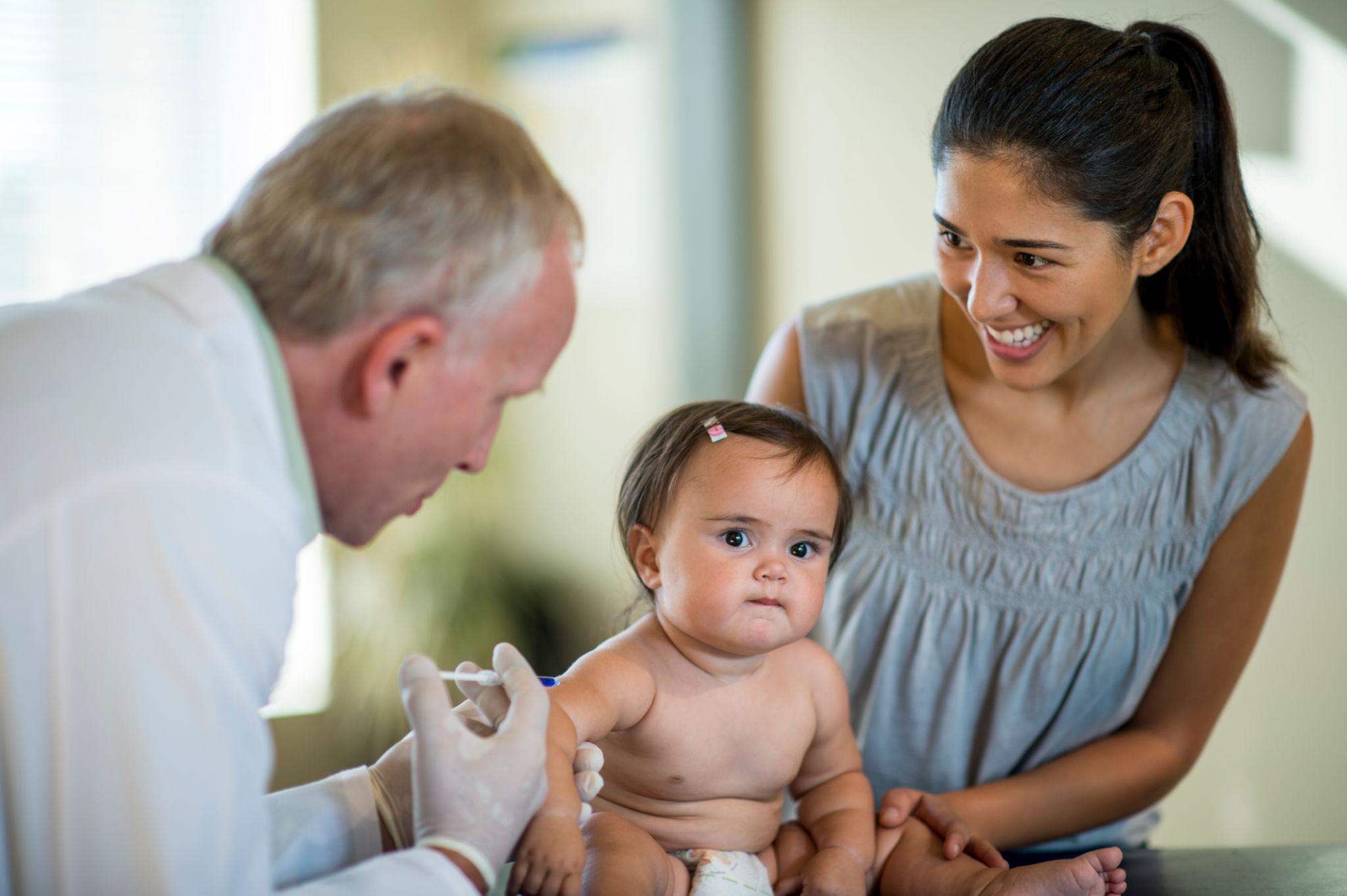
Infants and Young Children
Infants and young children have developing immune systems, making them more susceptible to infections. They require timely vaccinations according to recommended immunization schedules to protect against serious diseases such as measles, polio, and whooping cough.
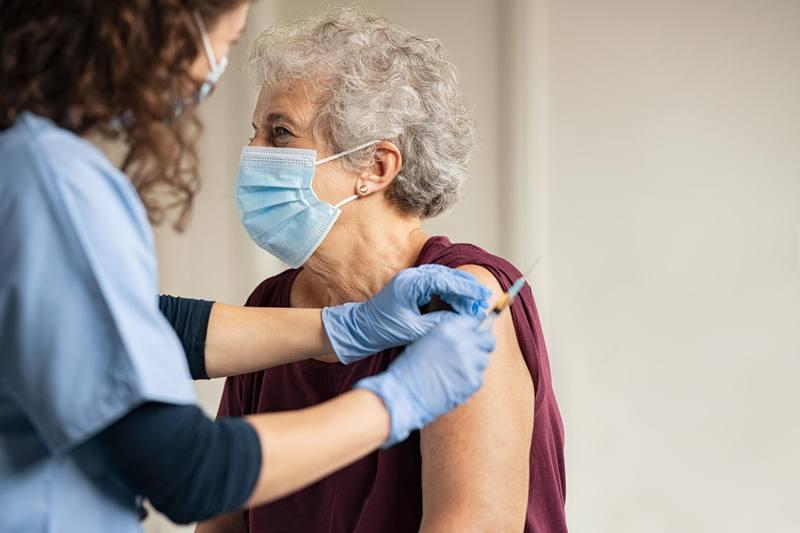
Older Adults (Senior Citizens)
As people age, their immune system naturally weakens, making them more vulnerable to infections and complications. Vaccination helps protect older adults from diseases that can lead to hospitalization or severe health problems.
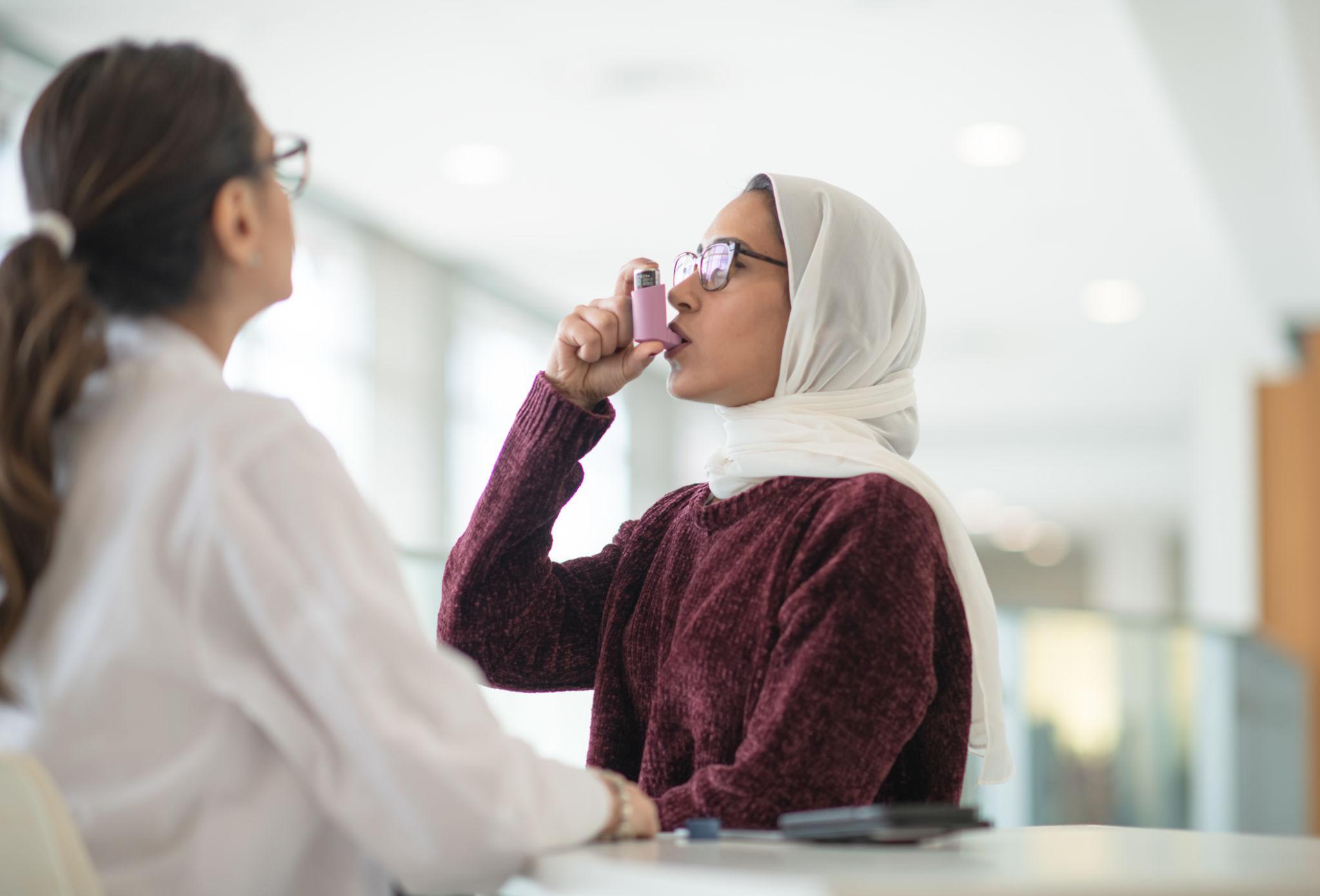
Chronic Medical Conditions
Individuals living with chronic diseases such as diabetes, heart disease, asthma, kidney disease, or weakened immune systems are more likely to experience severe illness if infected. Vaccination is essential to reduce complications and hospitalizations.
How to Identify Health Misinformation
Health information spreads very quickly, especially online. While some of it is helpful, a lot of it can be misleading or incorrect. Making decisions based on wrong information can affect your health and safety.
It is important to check information carefully before believing or sharing it. Here are some simple ways to identify reliable health information.
🔍 Check the Source
Make sure the information comes from a trusted health organization, hospital, or official website.
📊 Look for Evidence
Reliable information is usually supported by scientific research or medical studies, not just opinions.
⚠️ Watch Emotional Language
Be careful if the content uses fear, urgency, or shocking claims to influence your decision.
💬 Don’t Rely Only on Personal Stories
Personal experiences can be helpful, but they are
not scientific proof.
📅 Check the Date
Health information changes over time. Always make sure the content is recent and updated.
🔹 Why This Matters
- Helps you make safe and informed health decisions
- Prevents spreading false information
- Builds trust in reliable medical advice
Benefits of Vaccination
Vaccination is one of the most effective ways to protect individuals and communities from serious diseases. It strengthens the immune system, prevents illness, and helps people live healthier lives. Below are the key benefits of vaccination explained in simple points.
-
Protection Against Serious Diseases
Vaccines help protect people from dangerous and life-threatening illnesses such as measles, polio, influenza, and hepatitis. They reduce the chances of getting infected and prevent severe health complications.
-
Strengthens the Immune System
Vaccination helps the body build immunity by teaching the immune system how to recognize and fight harmful viruses and bacteria quickly and effectively.
-
Protects Family and Community
When more people are vaccinated, the spread of diseases decreases. This helps protect vulnerable individuals such as infants, elderly people, and those with weak immune systems.
Myths vs Facts About Vaccines
Vaccines are one of the most effective ways to prevent diseases, yet many misconceptions still exist. Understanding the facts helps individuals and families make informed decisions about their health. Below are some common myths and the scientific facts that clarify them.
Myth 1: Vaccines can cause the disease they are meant to prevent
Fact
Vaccines are designed to train the immune system to recognize and fight diseases without causing the illness itself. Most vaccines use weakened or inactive parts of a germ, making them safe and effective.
Myth 2: Natural immunity is better than vaccine immunity
Fact
While natural infection can provide immunity, it often comes with serious risks and complications. Vaccines provide strong protection without exposing the body to dangerous illness.
Myth 3: Vaccines cause autism
Fact
This claim has been completely disproven by multiple large scientific studies. There is no link between vaccines and autism.
Myth 4: Vaccines are not necessary anymore as dangerous diseases are rare
Fact
Dangerous diseases are rare because of vaccines. If people stop getting vaccinated they will be come more common.
Common Questions (FAQ)
Vaccines are medical preparations that help the body develop immunity against specific diseases. They train the immune system to recognize and fight harmful viruses or bacteria without causing the illness.
Vaccines protect individuals from serious diseases, reduce the risk of complications, and help prevent the spread of infections within the community. They are one of the most effective ways to maintain public health.
Yes, vaccines are thoroughly tested for safety and effectiveness before they are approved. They continue to be monitored to ensure they remain safe for public use.
Some people may experience mild side effects like soreness, fatigue, or fever. These usually go away within a few days. Serious side effects are very rare.
Yes, adults may need booster doses and vaccines for diseases like flu, hepatitis, or COVID-19 to maintain protection.
If a dose is missed, it can usually be taken later. It is important to consult a doctor to continue the schedule properly.
People with severe allergies to vaccine components or specific medical conditions should consult a doctor before vaccination.
Who Is at Risk?
Vaccines play an important role in protecting our health at every stage of life. Just like eating healthy, staying active, and regular check-ups, vaccination helps your body stay strong and fight serious diseases.
Some people are at a higher risk of complications from infections, which makes vaccines even more important for them.
People with diabetes may have a weaker immune response, making it harder to fight infections. This increases the risk of serious illness from diseases like flu and COVID-19.
Heart conditions can make infections more dangerous and increase the chances of complications. Vaccination helps reduce stress on the heart caused by serious illnesses.
Chronic conditions affecting organs like the kidneys or liver can weaken the body’s ability to recover from infections, making prevention through vaccines very important.
People with asthma or other lung conditions are more vulnerable to respiratory infections, which can become severe without proper protection.
During pregnancy, both the mother and baby are more vulnerable to infections. Vaccines help protect both and can even pass immunity to the baby before birth.
💡 Why This Matters
- These groups are more likely to develop serious complications
- Vaccination helps reduce hospitalisation and severe illness
- It also protects family members and the community

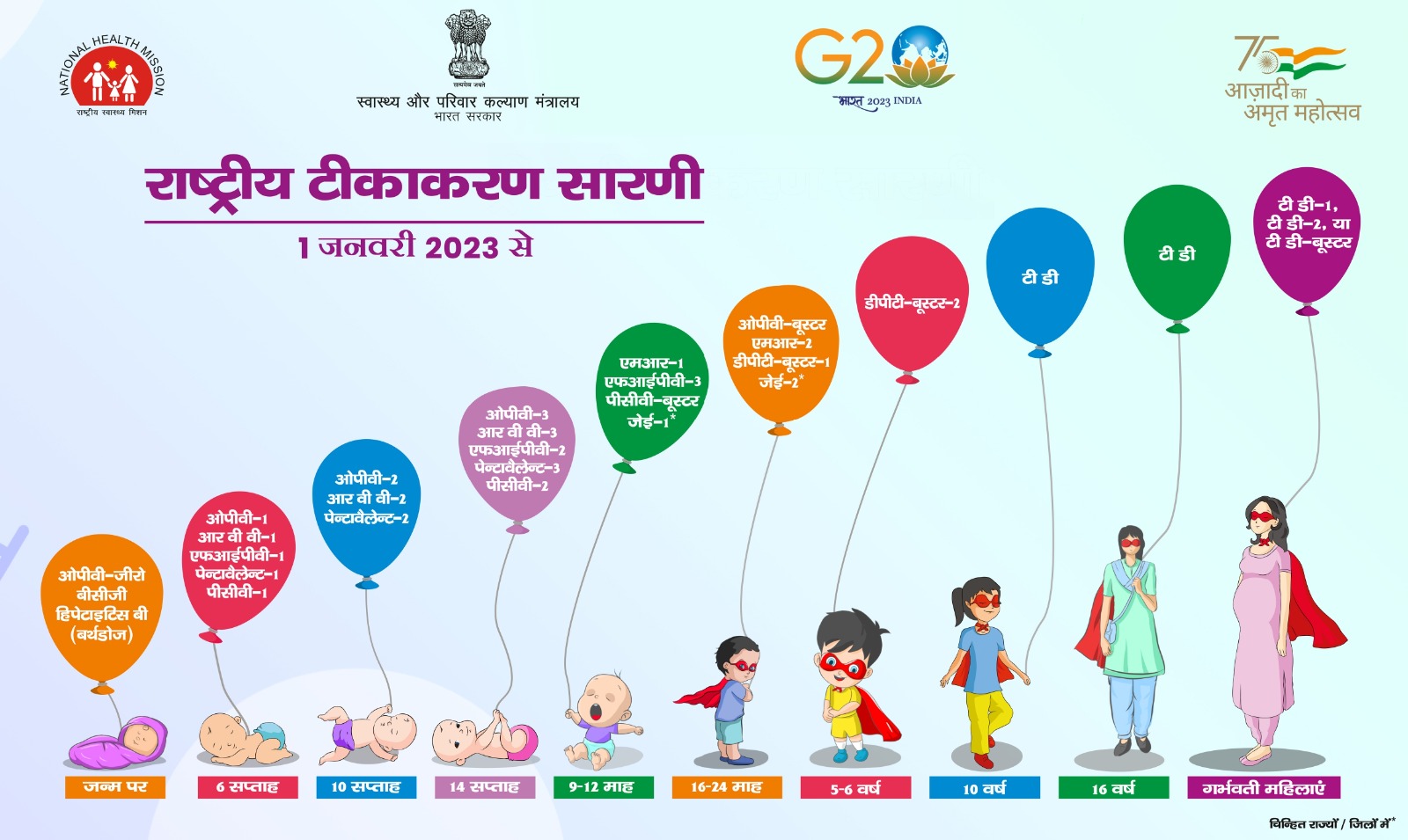
India’s Vaccination Schedule
The Indian vaccination calendar provides a structured timeline for essential vaccines. Getting vaccinated at the right time helps prevent serious illnesses and supports long-term health.